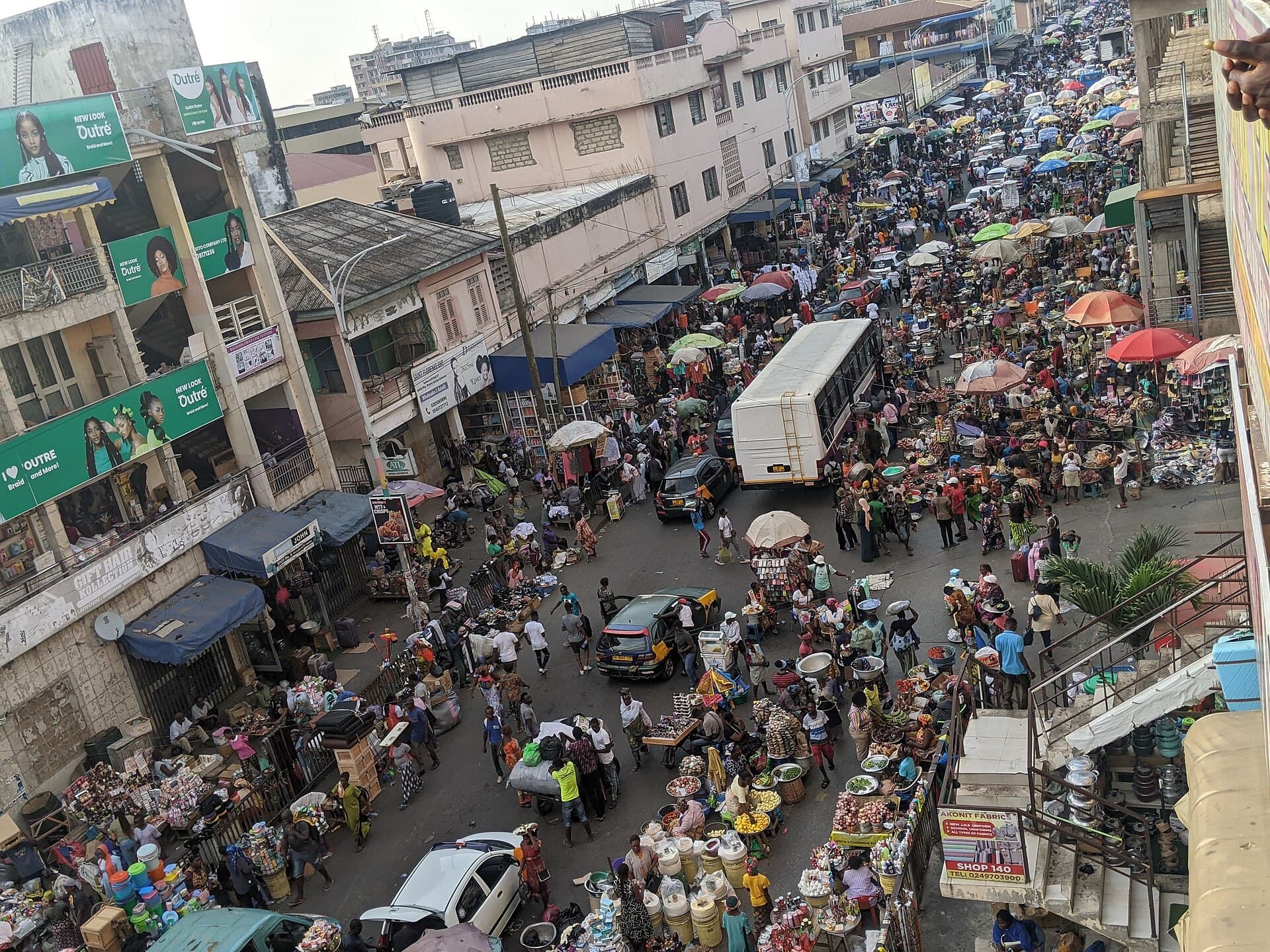
Why fuel prices change every two weeks in Ghana, and what's in the price of a litre
Pump prices in Ghana can change on the 1st and 16th of every month. Here's how the pricing windows work, what the NPA price floor is, what makes up the price of a litre, and what a trip costs at today's prices.
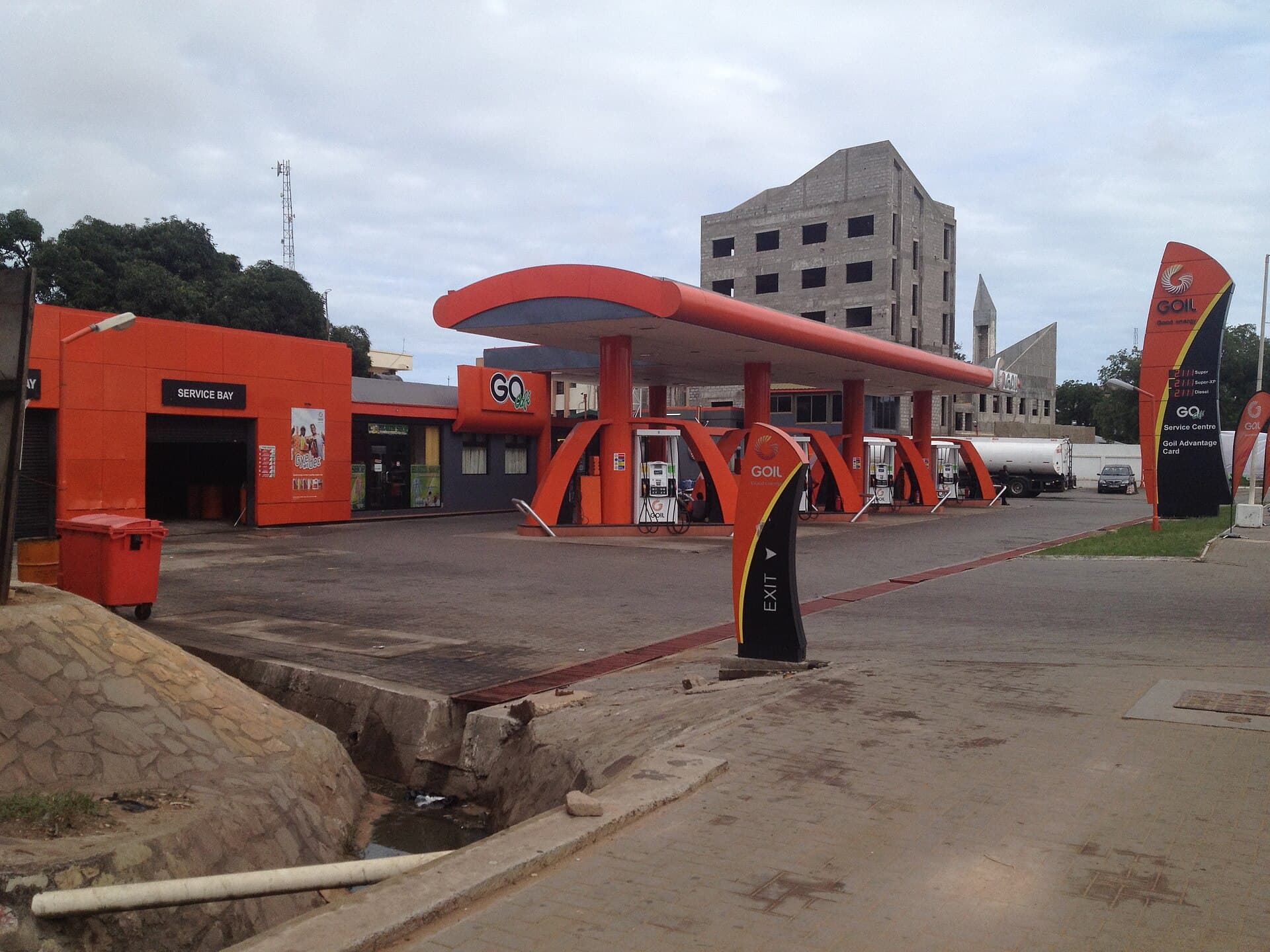
Petrol and diesel prices in Ghana can change twice a month, when a new pricing window opens on the 1st and the 16th. Before each window, the National Petroleum Authority (NPA) publishes a price floor, the lowest price fuel may be sold at. Each company then sets its own pump price above it. For the window that opened on 16 September 2026, the NPA raised the petrol floor from GH₵14.53 to GH₵16.00 a litre and diesel from GH₵15.60 to GH₵16.77. On 27 September the typical pump price was GH₵16.77 for petrol, GH₵17.87 for diesel and GH₵18.99 for premium petrol.
This guide explains why prices move, what's in the price of a litre, and how to work out what fuel actually costs you. To price a trip or a month of driving at today's prices, use the fuel cost calculator.
Who sets the price? Nobody, exactly
Ghana deregulated petroleum prices in 2015. Since then the government doesn't fix the pump price. Each oil marketing company (OMC), from the big ones like GOIL, Star Oil and TotalEnergies to small independent stations, sets its own price. That's why two stations on the same road can charge different prices on the same day.
What the NPA does is set the rules around those prices:
- It publishes the indicative prices and price build-up: the formula showing how a litre's cost is put together.
- It sets the pricing windows. Prices can be reset at the start of each window, on the 1st and 16th of the month, based on world prices and the exchange rate over the previous two weeks.
- It sets a price floor for each window, so companies can't undercut each other below cost.
What the price floor is, and isn't
The price floor is the minimum at which petrol, diesel and LPG may be sold during a window. According to the NPA, it leaves out several costs that companies set themselves: the premiums charged by the international traders who supply the fuel, the operating margins of the storage depots (BIDECs), and the marketers' and dealers' margins. So the pump price is always above the floor, and how far above depends on the company.
| Window opening | Petrol floor | Diesel floor | LPG floor |
|---|---|---|---|
| 1 September 2026 | GH₵14.53 a litre | GH₵15.60 a litre | |
| 16 September 2026 | GH₵16.00 a litre | GH₵16.77 a litre | GH₵10.97 a kg |
The 16 September rise, 10.1% on the petrol floor and 7.5% on diesel, came mainly from world prices. Crude oil rose from about $89 to $103 a barrel over the pricing period, according to the Chamber of Petroleum Consumers.
On 27 September the typical pump price was GH₵0.77 above the floor for petrol and GH₵1.10 above for diesel.
What's in a litre
The NPA's price build-up breaks every litre into the same parts:
- The ex-refinery price. The cost of the fuel itself, based on world prices for refined petrol or diesel, converted into cedis. This is the part that moves most, and it's why the cedi matters: when the cedi weakens against the dollar, fuel costs more even if world prices don't change.
- Taxes and levies. Fixed amounts per litre set by law, mostly under the Energy Sector Levies Act. They pay for roads (the Road Fund Levy), energy sector debts and power supply, and other purposes. In July 2025 the Energy Sector Levy (Amendment) Act, 2025 (Act 1141) added GH₵1 a litre. Because the levies are fixed amounts, they don't rise when world prices do, but they do make up a large share of the price.
- Regulated margins. Small fixed charges for distribution and industry costs: the Unified Petroleum Price Fund (UPPF), which evens out transport costs so fuel costs about the same in Bolgatanga as in Tema, plus margins for storage (BOST), primary distribution and fuel marking, which checks fuel isn't adulterated.
- The companies' margins. What the marketer and the station dealer keep. These are the parts that differ between companies.
When prices rise sharply, the government sometimes gives relief by absorbing part of the levies. In 2026 it has been absorbing GH₵2 a litre on diesel, according to industry groups, and that relief is reflected in the pump price.

Kaneshie trotro station, Accra. Most trotros run on diesel, so when it rises, transport unions push for new fares, and the pump price reaches people who never buy fuel. Photo: JulianGrayscales, CC BY-SA 4.0, via Wikimedia Commons
What fuel costs you: worked examples
All at the typical pump prices on 27 September 2026 (petrol GH₵16.77, diesel GH₵17.87, premium GH₵18.99), using the same calculation as the fuel cost calculator.
Accra to Kumasi. About 250 km by road. In a saloon that uses 8 litres per 100 km:
| Trip | Distance | Fuel | Cost |
|---|---|---|---|
| One way, petrol saloon | 250 km | 20 litres | GH₵335.40 |
| Return, petrol saloon | 500 km | 40 litres | GH₵670.80 |
| Return, diesel SUV (11 L/100 km) | 500 km | 55 litres | GH₵982.85 |
The daily commute. Say you drive 20 km each way to work, 22 days a month, in a car that uses 9 litres per 100 km:
| Fuel | A day | A month (22 days) |
|---|---|---|
| Petrol | GH₵60.37 | GH₵1,328.18 |
| Premium petrol | GH₵68.36 | GH₵1,504.01 |
If you count your car's use in kilometres per litre, as many drivers do, the calculator takes that too. A car doing 12 km per litre on the same commute costs GH₵1,229.80 a month in petrol.
What a price rise costs you. When the petrol floor rose GH₵1.47 on 16 September, a 40-litre tank cost about GH₵58.80 more to fill, if the pump price rose by the same amount. For a taxi or trotro driver buying fuel every day, a single window can add hundreds of cedis a month.

Taxis in Accra Central. For a taxi driver, fuel is the biggest daily cost. Photo: Muntaka Chasant, CC BY-SA 4.0, via Wikimedia Commons
How to spend less on fuel
- Compare stations. Prices differ between companies, sometimes by more than a cedi a litre. The big companies announce their new prices at the start of each window.
- Watch the window. If the NPA floor for the next window is going up, filling up before the 1st or 16th can save you a little. If it's going down, wait.
- Do you need premium? Premium petrol cost GH₵2.22 a litre more than regular on 27 September. Unless your car's manual calls for it, regular petrol is fine for most cars.
- Drive smoothly and check your tyres. Hard acceleration, idling in traffic and under-inflated tyres all raise consumption.
- Know your car's real consumption. Fill the tank, note the kilometres, and at the next fill divide the kilometres by the litres. That gives you a real km per litre to put into the calculator.
What to watch
Three things decide where pump prices go next:
- World oil prices. Crude and refined product prices over the two weeks before a window drive most changes.
- The cedi. Fuel is bought in dollars, so a weaker cedi means dearer fuel. The cedi converter shows the latest rate.
- Government decisions on levies, including whether relief like the diesel subsidy continues.
Our markets page tracks pump prices every day, and the Daily Rates text sends you the dollar rate and pump prices each morning.
Common questions
When do fuel prices change in Ghana? Prices can change at the start of each pricing window, on the 1st and the 16th of every month. Companies usually announce their new prices on or just before those days.
What is the NPA price floor? The lowest price at which fuel may be sold during a pricing window, set by the National Petroleum Authority. For the window from 16 September 2026 it's GH₵16.00 a litre for petrol, GH₵16.77 for diesel and GH₵10.97 a kg for LPG.
Why do different stations charge different prices? Prices are deregulated. Each company sets its own price above the NPA floor, depending on its supply costs and margins.
What is the price of petrol in Ghana today? On 27 September 2026 the typical pump price was GH₵16.77 a litre for petrol, GH₵17.87 for diesel and GH₵18.99 for premium. Our markets page has the latest.
How much fuel do I need from Accra to Kumasi? About 20 litres one way in a car that uses 8 litres per 100 km, costing about GH₵335 in petrol at 27 September prices. Use the fuel cost calculator for your own car.
Why do fuel prices go up when the cedi falls? Ghana imports most of its fuel and pays for it in dollars. When the cedi weakens, the same fuel costs more cedis.
Last checked 27 September 2026 against the National Petroleum Authority's price floor and price build-up, the NPA's price floor announcement for 16 September 2026, the Energy Sector Levy (Amendment) Act, 2025 (Act 1141), and typical pump prices from CediRates. Prices change every window; the fuel cost calculator always uses today's.
Cover photo: Banku, CC0, via Wikimedia Commons